


September sits at the peak of Atlantic hurricane season, and a portable generator that has not been tested, sized correctly, or connected safely is a problem you do not want to discover in the middle of an outage. Getting a generator storm-ready is straightforward once you know what actually matters: correct sizing, a safe connection method, and a maintenance routine that keeps the unit reliable. M.R. Electricians has helped Pinellas County homeowners prepare for storm season since 1996. Read verified reviews on Google and Yelp, view our Better Business Bureau profile, and learn about our licensed team. Florida Electrical Contractor License I-EC13010503.
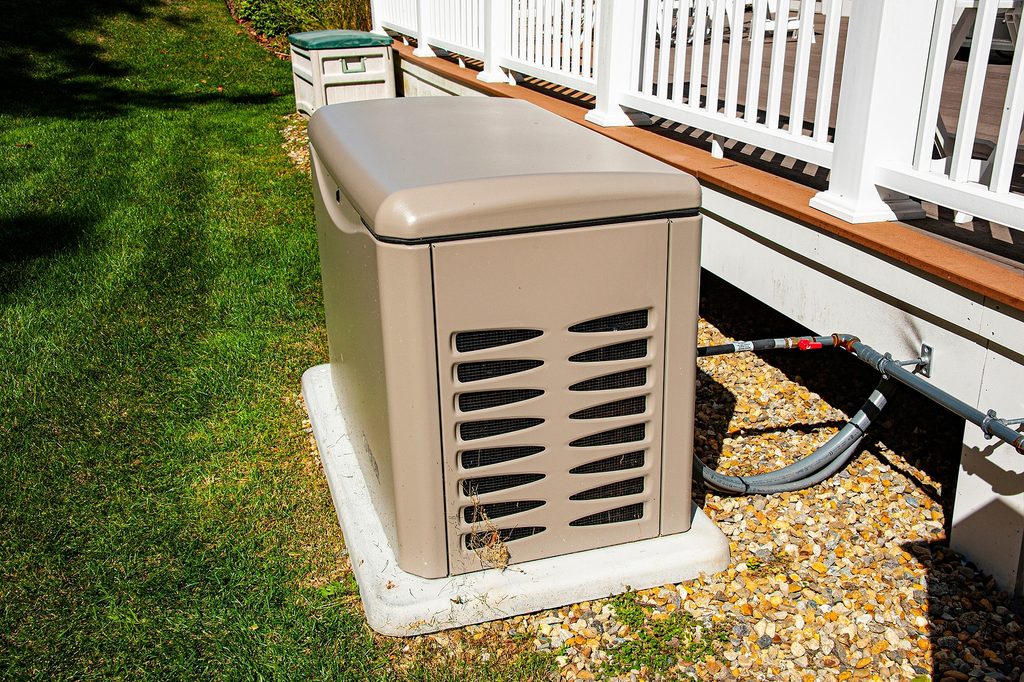
What Generator Preparation Actually Involves
Preparing a portable generator for hurricane season covers three distinct things: confirming the generator is correctly sized for what you actually intend to power, setting up a safe and code-compliant connection method, and establishing a maintenance routine that keeps the unit ready months or years after purchase. Homeowners who only think about the generator itself, without addressing sizing and connection method, are often surprised when the unit trips its own breaker or when a well-meaning attempt to power the house directly through an outlet turns out to be both dangerous and illegal.
Sizing: What Can Your Generator Actually Power
Generator sizing starts with running wattage, the power a device draws continuously, but the number that actually determines whether a generator can handle your load is starting or surge wattage. Motor-driven appliances such as refrigerators, well pumps, and sump pumps can briefly draw two to three times their running wattage the moment they start. A generator sized only for the sum of running wattages will frequently trip its breaker or stall the moment a second motor-driven appliance tries to start while another is already running. M.R. Electricians reviews a homeowner’s specific circuit list, refrigerator, well pump, a few lights, device charging, to recommend a generator size and connection method that actually holds up in practice. Visit our portable generator service for Pinellas County for full details.
Connection Method: Why Backfeeding Is Dangerous and Illegal
The single most dangerous generator mistake is backfeeding, plugging the generator into a household wall outlet to power the whole house through the existing wiring. This sends power backward through the home’s circuits and out through the utility connection to the street, creating a real electrocution risk for any utility line worker servicing what they believe is de-energized equipment during storm restoration. OSHA is explicit that a portable generator should never be connected directly to a structure’s electrical system unless it is done through a properly installed transfer switch. A transfer switch, installed by a licensed electrician and permitted through Pinellas County Building Services, physically prevents the generator and utility power from ever being connected at the same time, and lets you safely power hardwired circuits like a well pump without running extension cords through doors and windows.
Carbon Monoxide: The Most Serious Generator Safety Risk
Carbon monoxide poisoning from generator exhaust has caused more deaths after storms than almost any other generator-related hazard. OSHA generator safety guidance is direct: never run a portable generator indoors, in a garage, or in any partially enclosed space, even with doors and windows open, since open doors and windows do not reliably prevent carbon monoxide buildup. Keep at least three to four feet of clearance on all sides and above the generator, and never position it near doors, windows, or vents. Installing carbon monoxide detectors inside the home adds a critical additional layer of protection. Symptoms of carbon monoxide exposure, dizziness, headache, nausea, and confusion, require moving to fresh air immediately and seeking medical attention.
Fuel Storage and Pre-Season Maintenance
- Store enough fuel for several days of expected use, in approved containers, away from the generator itself and away from heat sources; never store fuel indoors.
- Add fuel stabilizer to gasoline that will sit between uses, and avoid letting fuel sit in the tank or carburetor for extended periods without running the unit.
- Run the generator every one to two months under load to confirm the engine starts reliably and the outlets deliver power correctly.
- Inspect fuel lines, cords, and the generator’s frame for damage or corrosion before storm season each year.
- Shut the generator down and let it cool completely before refueling, since fuel spilled on hot components is a fire hazard.
DIY Preparation vs. Professional Setup
Fuel storage, periodic test runs, and basic visual inspection are reasonable for a homeowner to manage directly. Sizing a generator correctly against your actual circuit loads, and especially installing a transfer switch, are where professional involvement matters most. A transfer switch installation is electrical panel work that requires a permit and correct integration with your home’s existing circuits, and getting it wrong creates both a safety risk and a code violation. M.R. Electricians handles the sizing conversation and the transfer switch installation so the connection between your generator and your home is both safe and ready before a storm arrives, not during one.
Local Context: Hurricane Season in Pinellas County
The Atlantic hurricane season runs from June through November, with activity historically peaking in August and September, meaning the weeks around right now are typically the highest-risk stretch of the year for Pinellas County. Ready.gov’s hurricane preparedness guidance recommends having a power plan in place well before a storm is forecast, which is exactly the gap a properly sized and connected portable generator fills for Pinellas County homeowners. Coordinating any panel or transfer switch work with Duke Energy Florida service requirements is a standard part of how M.R. Electricians approaches generator preparation in this market.
When to Call M.R. Electricians
Whether you need a generator sized correctly, a transfer switch installed before the next storm, or simply a professional check on equipment that has not run in a while, M.R. Electricians can help. Family-owned since 1996. NICET certified. 2025 IEC Award winner. Florida Electrical Contractor License I-EC13010503. Read reviews on Google and Yelp, view our Better Business Bureau profile, and call (301) 871-0477 today.
Frequently Asked Questions
When should I start preparing my portable generator for hurricane season?
The best time to prepare a portable generator is well before a storm is actually approaching, ideally at the start of hurricane season in June or during the early part of the season before activity typically peaks in August and September. Waiting until a storm watch is issued means competing with every other homeowner in Pinellas County for fuel, parts, and electrician availability at the same time. A generator that has been tested, serviced, and properly connected ahead of time is one less thing to manage when a storm is actually bearing down.
How do I know what size portable generator I need for my home?
Sizing a portable generator starts with listing the specific circuits or appliances you want to power during an outage, such as a refrigerator, well pump, sump pump, a few lights, and perhaps a window air conditioning unit. Add up the running wattage of everything you want to power at once, then account for starting or surge wattage on motor-driven appliances like refrigerators and pumps, which can briefly draw two to three times their running wattage when they start. A generator sized only for running wattage will struggle or shut down when a motor tries to start under load. M.R. Electricians can review your specific circuit list and recommend an appropriately sized unit and connection method.
Is it safe to plug a portable generator directly into a wall outlet?
No. Plugging a generator into a wall outlet, a practice sometimes called backfeeding, sends power backward through your home’s wiring and out through the utility connection to the street. This creates a serious electrocution risk for any utility line worker who may be working on what they believe is a de-energized line, and it is illegal in most jurisdictions. OSHA specifically warns against connecting a portable generator directly to a structure’s electrical system unless it is done through a properly installed transfer switch. The safe methods are plugging appliances directly into the generator’s outlets with approved cords, or installing a transfer switch that isolates your home’s wiring from the utility grid while the generator is running.
What is a transfer switch and do I need one for my portable generator?
A transfer switch is a device installed at or near your electrical panel that lets you safely switch selected circuits between utility power and generator power, without ever connecting both sources at the same time. It eliminates the need to run extension cords through doors and windows, allows you to power hardwired equipment like a well pump or HVAC system, and physically prevents the backfeed hazard that makes plugging a generator into a wall outlet so dangerous. A transfer switch is not strictly required if you only ever plug individual appliances directly into the generator with cords, but for whole-circuit or whole-panel backup power, a transfer switch installed by a licensed electrician is the correct and code-compliant approach.
How do I prevent carbon monoxide poisoning when running a portable generator?
Carbon monoxide from generator exhaust is the most serious safety risk associated with portable generators, and OSHA guidance is direct on this point: never run a portable generator indoors, in a garage, or in any enclosed or partially enclosed space, even with doors and windows open. Keep the generator at least three to four feet clear on all sides and above for ventilation, and never position it near doors, windows, or vents where exhaust could enter the home. Install carbon monoxide detectors inside your home as an additional safety layer. If anyone shows symptoms such as dizziness, headache, nausea, or confusion while a generator is running nearby, get them to fresh air immediately and seek medical attention.
Where should I place my portable generator during a storm?
A portable generator should run outdoors, in a well-ventilated, open location well away from doors, windows, and vents, positioned so exhaust cannot be drawn into the home or a neighboring structure. It should also be kept dry and stable, since operating a generator in standing water or heavy rain creates an electrocution risk. If you need weather protection, use a generator-specific canopy or cover designed to shield the unit while still allowing full ventilation around it, rather than improvising with a tarp that can trap exhaust or restrict airflow.
How much fuel should I store for my portable generator before hurricane season?
Plan for enough fuel to run your generator for several days at the load level you expect to use, since extended power outages after a major storm are common in Florida. Store fuel only in approved containers, away from the generator itself and away from any heat source, and never store fuel indoors or in an attached garage. Adding a fuel stabilizer helps stored gasoline stay usable for longer periods between storms. Always shut the generator down and let it cool completely before refueling, since spilled fuel on hot engine components is a fire hazard.
How often should I run my portable generator to keep it ready for storm season?
Running a portable generator periodically, roughly every one to two months, keeps the engine, fuel system, and starting mechanism in working condition and helps you catch a starting problem while you still have time to address it, rather than discovering it during an actual outage. Generators that sit unused for long stretches, especially with old fuel still in the tank, are a common source of no-start problems exactly when they are needed most.
Can I run my portable generator in the rain?
Standard portable generators are not designed to run safely in the rain, since water intrusion into the generator’s electrical components creates a shock hazard and can damage the unit. If you need to run a generator during active rain, use a generator-rated canopy or enclosure specifically designed to shield the unit from precipitation while maintaining full ventilation. Never operate or refuel a generator while standing in water, and never touch a generator or its cords with wet hands.
What appliances can a standard portable generator typically power during an outage?
A mid-sized portable generator can typically handle a combination of essential loads such as a refrigerator, several lights, a sump or well pump, phone and device charging, and possibly a window air conditioning unit, depending on the generator’s rated wattage and the starting wattage of the specific appliances involved. Whole-house coverage, including central air conditioning and an electric water heater, generally requires a larger standby generator system rather than a portable unit. M.R. Electricians can review your specific appliance list against a given generator’s capacity to confirm what it can realistically support.
Why does my portable generator’s breaker keep tripping when I add a second appliance?
A generator’s built-in breaker trips when the connected load exceeds the unit’s rated output, which happens more easily than homeowners expect once starting wattage is factored in. A refrigerator that runs at a modest wattage can briefly demand two to three times that amount when its compressor starts, and if that startup surge happens while another appliance is already drawing power, the combined demand can exceed the generator’s capacity even though neither appliance alone would. Staggering when major appliances start, rather than running them simultaneously, often resolves this without needing a larger generator.
Do I need a permit to install a transfer switch for my portable generator in Pinellas County?
Yes. Installing a transfer switch involves connecting to your home’s electrical panel, which requires a permit from Pinellas County Building Services and inspection by a licensed electrician. M.R. Electricians manages the full permit application and inspection process for transfer switch installations, so the connection between your generator and your home’s wiring is both safe and properly documented.
What is the difference between a portable generator and a standby generator?
A portable generator is a movable, fuel-powered unit that you position outdoors and connect to your home either through direct cords or a transfer switch when power goes out. A standby generator is permanently installed outside the home, runs on natural gas or propane, and starts automatically within seconds of a power outage, without any manual setup. Portable generators cost less upfront and offer more flexibility, but require manual setup, fueling, and monitoring during each use. Standby systems offer automatic, whole-home or whole-circuit backup power without hands-on operation, at a greater upfront installation scope.
How do I know if my portable generator needs professional maintenance before storm season?
Signs that a portable generator needs professional attention before storm season include difficulty starting even with fresh fuel, unusual noise or vibration during operation, visible corrosion or damage to the fuel lines or electrical components, an outlet on the generator that no longer provides power, or simply not having been serviced or even started in over a year. A pre-season check by a licensed electrician can confirm the unit and its connection method, whether cords or a transfer switch, are both functioning and correctly set up before you actually need them.
How do I schedule portable generator preparation service with M.R. Electricians before hurricane season?
Call M.R. Electricians at (301) 871-0477 to schedule portable generator preparation, transfer switch installation, or a pre-season safety check in Pinellas County. Our licensed electricians review your sizing needs, install code-compliant transfer switches, and manage the Pinellas County permit process. Florida Electrical Contractor License I-EC13010503. Serving Tierra Verde, St. Petersburg, Largo, Clearwater, and all Pinellas County communities.
Get Storm-Ready Before the Next Watch Is Issued
Don’t wait for a storm warning to find out your generator setup has a problem. Call (301) 871-0477 or visit our portable generator service for Pinellas County and residential electrical services to learn more. Serving Tierra Verde, St. Petersburg, Largo, Clearwater, and all Pinellas County communities.