


ADS-TEC Energy Battery-Buffered Ultra-Fast EV Charging in Rockville, MD and the DMV
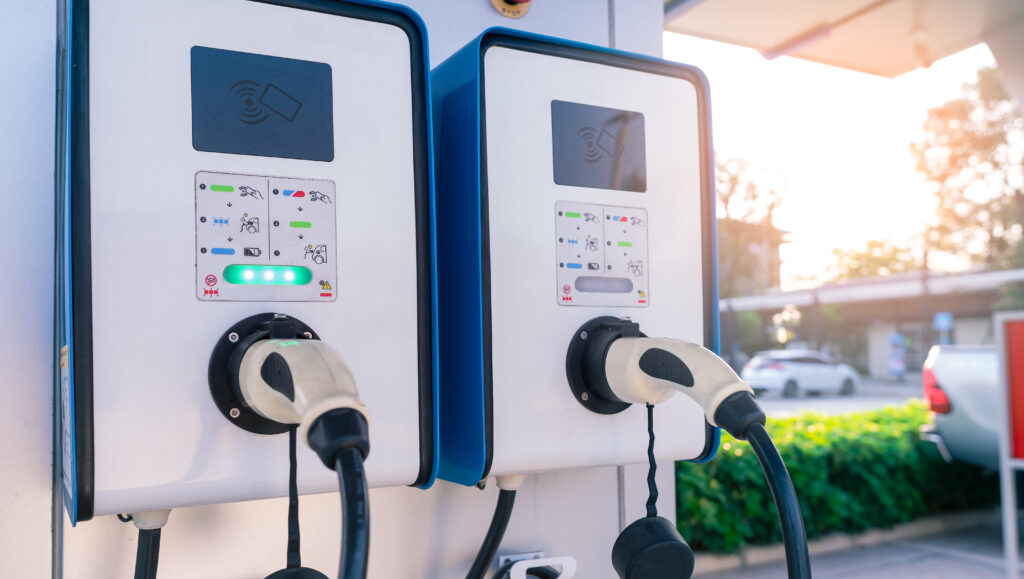
ADS-TEC Energy (NASDAQ: ADSE) makes battery-buffered ultra-fast EV charging equipment that solves a specific problem most commercial properties run into: delivering true fast-charging speed without the grid capacity a conventional DC fast charger requires. M.R. Electricians provides the licensed electrical infrastructure for ADS-TEC Energy ChargeBox and ChargePost installations throughout Rockville and the DMV. Family-owned since 1996, NICET certified, and a 2025 IEC Award winner. Read verified reviews on Google and Yelp, view our Better Business Bureau profile, and learn about our commercial team before calling. Call (301) 871-0477 for a site assessment.
Excellent and timely service in every instance


What Makes ADS-TEC Energy’s Charging Technology Different
Conventional ultra-fast DC chargers pull their full rated power, often 150 to 350 kilowatts, directly from the utility grid connection the instant a vehicle plugs in. That demand level frequently requires a major utility service upgrade, a process that industry sources note can take 18 to 24 months and cost well over a million dollars for the utility infrastructure alone. ADS-TEC Energy, founded in 2017 as a spin-out of the ADS-TEC Group and headquartered in Nürtingen, Germany, solved this with battery buffering: its ChargeBox and ChargePost units store energy from a standard, modest grid connection over time, then discharge that stored energy at up to 320 kilowatts the moment a vehicle connects. The result is ultra-fast charging speed at sites whose existing electrical service was never designed to support it directly.
ChargeBox and ChargePost: The Battery-Buffered Platform
The ChargeBox and ChargePost are ADS-TEC Energy’s core products, both built around the same integrated battery-buffer technology delivering up to 320 kilowatts of charging power. ChargePost is typically deployed as a compact, space-efficient unit suited to sites with limited real estate; ChargeBox configurations serve a broader range of commercial deployment types. Documented US deployments include Alabama Power’s Technology Application Center, a Ford dealership installation, and a convenience store location in Tallahassee, Florida, that reported increased customer traffic and revenue after adding ChargeBox charging. ADS-TEC Energy secured a growth investment in 2025 specifically to expand this deployment into the North American market.
Who Battery-Buffered Charging Is Built For
- Convenience stores and fueling stations wanting fast charging without a costly grid upgrade.
- Automotive dealerships offering charging for customer test drives and service loaner vehicles.
- Hotels and restaurants adding fast charging as a customer amenity.
- Multi-family and mixed-use residential developments needing shared charging capacity.
- Commercial fleet operators needing vehicles to turn around quickly between routes or shifts.
The Electrical Infrastructure a Battery-Buffered Installation Still Requires
Battery buffering substantially reduces the scale of utility involvement compared to conventional ultra-fast charging, but it does not eliminate it. The buffer still needs to recharge from the grid between vehicle sessions, which means M.R. Electricians performs a load calculation based on the unit’s recharge rate, not its 320-kilowatt discharge speed, designs and installs the dedicated circuit and conduit connecting the site’s electrical service to the unit, handles grounding and bonding to NEC requirements, and coordinates with Pepco for the utility connection. This is a smaller-scale electrical project than a conventional ultra-fast charger installation would require at the same site, but it is still a licensed electrical project that needs to be engineered correctly.
Why Battery-Buffered Charging Reduces Peak Demand Charges
Commercial utility billing typically includes a demand charge component based on a site’s highest rate of electricity draw during a billing period, separate from total energy consumed. A conventional ultra-fast charger creates a sharp demand spike every time a vehicle charges at full power. Because ADS-TEC Energy’s battery buffer recharges gradually rather than spiking with each session, it smooths the site’s overall demand profile, which is the basis for ADS-TEC Energy’s reported savings of up to 65 percent on peak demand charges compared to conventional DC fast chargers.
How M.R. Electricians Approaches an ADS-TEC Energy Project
- Site electrical assessment: We evaluate your existing service capacity against the ChargeBox or ChargePost recharge requirements, not the unit’s peak output.
- Use-case evaluation: We discuss whether battery-buffered ultra-fast charging, standard Level 2 commercial charging, or a combination fits your parking duration and driver expectations.
- Permit and utility coordination: We manage the Montgomery County DPS permit application and Pepco coordination for the recharge circuit.
- Installation: We install the dedicated circuit, conduit, and grounding to NEC standards, sized correctly for the battery buffer’s actual electrical draw.
ADS-TEC Energy vs. Standard Commercial Level 2 Charging
Standard commercial Level 2 charging, the kind M.R. Electricians installs from brands like EVBox, fits vehicles parked for hours: an employee’s workday, a resident’s overnight parking. ADS-TEC Energy’s battery-buffered charging fits vehicles parked for minutes: a retail stop, a dealership visit, a fleet vehicle’s quick turnaround. Choosing between them, or combining both on one site, comes down to how long vehicles will actually be parked. Visit our commercial EV charging station installation service to discuss both approaches for your property.
Local Context: Grid Constraints and DMV Commercial EV Charging
Utility grid capacity constraints are a well-documented barrier to fast-charging deployment across the country, and the DMV’s dense commercial corridors are no exception. Battery-buffered technology like ADS-TEC Energy’s directly addresses this by decoupling charging speed from the site’s grid connection size. Commercial EV charging installations may also qualify for the federal Section 30C tax credit, and M.R. Electricians can point business customers toward current incentive information as part of project planning.
Why DMV Businesses and Fleets Choose M.R. Electricians for ADS-TEC Energy Installation
Frequently Asked Questions About ADS-TEC Energy Charging Installation
What is ADS-TEC Energy and what makes its EV charging technology different?
ADS-TEC Energy (NASDAQ: ADSE) is a battery-buffered ultra-fast EV charging technology company headquartered in Nürtingen, Germany, with operations in the United States, founded in 2017 as a spin-out from the ADS-TEC Group. Its core technology difference is battery buffering: rather than pulling ultra-fast charging power directly from the utility grid connection, ADS-TEC Energy’s systems store energy in an integrated battery from a standard, lower-power grid connection, then discharge that stored energy at high speed when a vehicle plugs in. This allows delivery of up to 320 kilowatts of charging power at a site that only has standard, modest utility service available, without the extensive grid infrastructure upgrade that conventional ultra-fast DC charging typically requires.
What is the ADS-TEC Energy ChargeBox and what does it do?
The ChargeBox is ADS-TEC Energy’s flagship battery-buffered ultra-fast charging unit, capable of delivering up to 320 kilowatts of charging power, enough to substantially charge a compatible EV in minutes rather than hours. Because it draws from its internal battery buffer rather than requiring a high-capacity grid connection, the ChargeBox can be deployed at sites such as convenience stores, dealerships, hotels, restaurants, and multi-family residential buildings where the existing electrical service would not otherwise support ultra-fast charging equipment.
How does battery-buffered charging avoid the need for a grid upgrade?
Conventional ultra-fast DC charging equipment draws its full rated power directly from the utility grid connection in real time, which means a site needs a grid connection and often a utility service upgrade capable of supplying that peak demand. ADS-TEC Energy’s ChargeBox and ChargePost systems instead charge their internal battery buffer continuously from a standard, lower-power grid connection over time, then discharge that stored energy at up to 320 kilowatts when a vehicle actually plugs in. The result is ultra-fast charging speed delivered from ordinary electrical service, without the extensive utility infrastructure upgrade that conventional fast charging would otherwise require at that same site.
How much can battery-buffered charging save compared to conventional DC fast chargers?
Beyond avoiding grid upgrade costs, ADS-TEC Energy states that battery-buffered charging can save operators up to 65 percent on peak power demand charges compared to conventional DC fast chargers. This is because utility demand charges are based on a site’s peak instantaneous draw from the grid, and a battery-buffered system smooths that draw over time by charging its buffer gradually rather than spiking to 320 kilowatts of grid demand the moment a vehicle connects.
What is the difference between the ADS-TEC Energy ChargeBox and ChargePost?
The ChargeBox and ChargePost are both part of ADS-TEC Energy’s battery-buffered ultra-fast charging platform, sharing the same core technology of storing energy in an integrated battery buffer for high-power discharge. ChargePost is typically deployed as a compact, pole or post-mounted unit suited to space-constrained sites, while ChargeBox configurations are used across a range of commercial deployment types. M.R. Electricians evaluates which platform configuration fits a specific site’s space, power, and use-case requirements.
What kinds of businesses in the DMV are good candidates for ADS-TEC Energy charging?
Businesses well suited to ADS-TEC Energy’s battery-buffered charging include convenience stores and gas station sites wanting to add fast charging without a costly utility upgrade, automotive dealerships offering charging for customer test drives and service loaners, hotels and hospitality properties wanting to offer a fast-charging amenity, multi-family residential and mixed-use developments, and commercial fleet operators needing to turn vehicles around quickly between routes. The common thread is a site where conventional ultra-fast DC charging would require an expensive and time-consuming grid upgrade that battery buffering avoids.
Can ADS-TEC Energy chargers support electric vehicle fleets?
Yes. Fleet operators are one of the core use cases for ADS-TEC Energy’s battery-buffered platform, since fleet charging often needs to happen quickly between routes or shifts, and fleet depot sites do not always have the grid capacity for conventional ultra-fast charging at scale. Alabama Power, for example, deployed ADS-TEC Energy’s ChargeBox to power its own EV fleet in minutes at its Technology Application Center. M.R. Electricians designs and installs fleet charging infrastructure using ADS-TEC Energy equipment sized to a fleet’s vehicle count and turnaround requirements.
What electrical work does M.R. Electricians perform for an ADS-TEC Energy installation?
M.R. Electricians provides the complete electrical infrastructure scope for ADS-TEC Energy ChargeBox and ChargePost installations: site electrical assessment to confirm available grid connection capacity for the battery buffer’s charging circuit, dedicated circuit and conduit installation from the electrical service to the unit, grounding and bonding to NEC requirements, coordination with the utility for the grid connection the battery buffer charges from, and full local permit management. While the battery-buffer technology reduces the need for a major utility service upgrade compared to conventional fast charging, the unit itself still requires a correctly engineered electrical connection, which M.R. Electricians designs and installs.
Does an ADS-TEC Energy installation still require a utility connection at all?
Yes. The battery buffer needs to recharge from the grid between vehicle charging sessions, so an ADS-TEC Energy system still requires a utility electrical connection, just at a substantially lower power level than a conventional ultra-fast charger of the same output would need. M.R. Electricians assesses the site’s existing electrical service to confirm it can supply the buffer’s recharge circuit and designs the connection accordingly.
How long does it take to install an ADS-TEC Energy ChargeBox at a commercial site?
Because battery-buffered charging avoids the lengthy utility grid upgrade process that conventional ultra-fast charging often requires, which industry sources note can take 18 to 24 months for a major service upgrade, an ADS-TEC Energy installation is typically deployable on a substantially faster timeline. The exact timeline depends on the site’s existing electrical service, permit processing time, and the specific unit configuration, and M.R. Electricians provides a project-specific schedule after the initial site assessment.
What permits are required for an ADS-TEC Energy installation in Montgomery County?
Commercial EV charging equipment installation, including battery-buffered systems like ADS-TEC Energy’s ChargeBox, requires a permit from Montgomery County Department of Permitting Services. Depending on the site and installation scope, the project may also involve electrical service or panel work that requires its own permit review. M.R. Electricians manages the full permit application and inspection process for ADS-TEC Energy installations in Montgomery County and throughout the DMV.
Can ADS-TEC Energy charging be added to a site with limited existing electrical capacity?
This is precisely the scenario battery-buffered charging is designed to address. Sites with limited existing electrical capacity that could not support a conventional 320-kilowatt DC fast charger drawing directly from the grid can often support an ADS-TEC Energy ChargeBox, since the unit draws its recharging power gradually and at a much lower rate than its peak vehicle-charging output. M.R. Electricians assesses a site’s specific existing capacity to confirm whether it can support the battery buffer’s recharge requirements.
What is the charging speed a driver actually experiences with an ADS-TEC Energy charger?
Drivers using an ADS-TEC Energy ChargeBox or ChargePost experience ultra-fast DC charging speeds, up to 320 kilowatts, comparable to the fastest charging available from any DC fast charging technology, since the battery buffer discharges at that rate regardless of how slowly it recharged between sessions. The vehicle’s own onboard charging system and battery state also affect actual charging speed and time, as with any DC fast charging session.
Does M.R. Electricians coordinate with Pepco for ADS-TEC Energy installations?
Yes. Even though battery-buffered charging reduces the scale of utility involvement compared to conventional ultra-fast charging, M.R. Electricians still coordinates with Pepco for the grid connection that recharges the unit’s battery buffer, and manages that coordination alongside the Montgomery County DPS permit process for every ADS-TEC Energy installation.
What is ADS-TEC Energy’s track record with real commercial deployments?
ADS-TEC Energy’s battery-buffered charging technology has been deployed across Europe since the early 2020s and is now expanding into the North American market, backed by a 2025 growth investment aimed at that expansion. Documented US deployments include Alabama Power’s Technology Application Center, a Ford dealership installation in 2025, and convenience store deployments including a location in Tallahassee, Florida, that reported increased customer traffic and revenue after installing ChargeBox systems.
How does ADS-TEC Energy charging compare to a standard commercial Level 2 charging station?
A standard commercial Level 2 charging station, of the kind M.R. Electricians installs from brands like EVBox or Blink, delivers charging over several hours and suits workplace or overnight charging scenarios where a vehicle is parked for an extended period. ADS-TEC Energy’s battery-buffered ultra-fast charging delivers a substantial charge in minutes, suited to scenarios where a driver needs to charge quickly and continue on, such as a convenience store stop, a quick dealership test drive, or a fleet vehicle turning around between routes. Which technology fits a given site depends on how long vehicles are expected to be parked there.
Can a hotel or restaurant in the DMV install ADS-TEC Energy charging as a customer amenity?
Yes. Hotels and restaurants are among the commercial site types ADS-TEC Energy specifically highlights as good candidates for battery-buffered charging, since offering fast charging as an amenity can draw EV-driving customers without the property needing to fund a major utility infrastructure upgrade. M.R. Electricians assesses hospitality and restaurant sites in the DMV for ADS-TEC Energy installation feasibility based on existing electrical service and parking layout.
What ongoing maintenance does an ADS-TEC Energy system require?
Battery-buffered charging systems include both charging electronics and an integrated battery storage component, both of which benefit from periodic professional inspection to confirm continued safe and reliable operation. M.R. Electricians provides maintenance and inspection service for installed ADS-TEC Energy systems, checking electrical connections, the recharge circuit from the utility connection, and overall system function.
Does installing ADS-TEC Energy charging require a larger electrical panel?
Not necessarily, and this is a core advantage of the battery-buffered approach. Because the unit recharges its buffer gradually rather than drawing its full 320-kilowatt output directly from the panel, many sites can support an ADS-TEC Energy installation without the significant panel or service upgrade that a conventional ultra-fast charger of equivalent output would require. M.R. Electricians confirms this with a site-specific electrical assessment rather than assuming it applies universally, since every site’s existing capacity differs.
What is peak demand charge and why does ADS-TEC Energy’s technology reduce it?
A peak demand charge is a utility billing component based on a commercial customer’s highest rate of electricity draw during a billing period, separate from the total energy consumed. Conventional ultra-fast DC chargers that pull their full power directly from the grid create a high, sudden demand spike each time a vehicle charges, which can significantly increase a site’s demand charges. Because ADS-TEC Energy’s battery buffer recharges gradually over time rather than spiking with each charging session, it smooths the site’s grid demand profile, which is the basis for the reported savings of up to 65 percent on peak demand charges compared to conventional fast chargers.
Can M.R. Electricians help a business evaluate whether ADS-TEC Energy is the right fit before committing?
Yes. M.R. Electricians performs a site electrical assessment that evaluates existing service capacity, parking layout, and expected usage pattern, and discusses whether a battery-buffered ADS-TEC Energy system, a conventional Level 2 commercial charger, or a conventional DC fast charger best fits a specific business’s goals and budget before any equipment is selected.
What is the typical use case duration difference between ADS-TEC Energy and Level 2 workplace charging?
Level 2 workplace or multi-family charging is designed around vehicles parked for hours, an employee’s workday or a resident’s overnight parking, where charging speed matters less than simply having reliable access. ADS-TEC Energy’s battery-buffered ultra-fast charging is designed around vehicles parked for minutes, a retail stop, a dealership visit, or a fleet vehicle’s brief turnaround, where charging speed is the primary requirement. Site owners should consider how long vehicles will realistically be parked when choosing between these technologies.
Does ADS-TEC Energy charging equipment require a dedicated enclosure or structure?
ADS-TEC Energy’s ChargeBox and ChargePost platforms are engineered as self-contained units with integrated battery storage, charging electronics, and weather protection built into the unit itself, which is part of what allows relatively fast site deployment compared to a ground-up charging installation requiring separate structures. M.R. Electricians handles the site preparation, foundation or mounting requirements, and electrical connection specific to the unit configuration selected.
What federal or state incentives might apply to an ADS-TEC Energy installation in Maryland?
Commercial EV charging infrastructure, including battery-buffered systems, may qualify for the federal Alternative Fuel Vehicle Infrastructure Tax Credit under IRC Section 30C, and Maryland state-level commercial EV infrastructure incentives may also apply depending on current program terms. M.R. Electricians can point business customers toward current incentive program information as part of project planning, though the business should confirm final eligibility with the relevant program administrator or their tax advisor.
How does M.R. Electricians size the electrical connection for an ADS-TEC Energy system?
M.R. Electricians performs a load calculation that accounts for the battery buffer’s recharge rate rather than its peak discharge output, since the recharge rate, not the 320-kilowatt vehicle-charging speed, is what actually draws from the site’s electrical service. This is the technical basis for why battery-buffered systems can often be installed on more modest electrical service than their charging speed would suggest, and getting this calculation right is central to designing the correct connection.
Can a fleet depot with multiple vehicles use several ADS-TEC Energy units together?
Yes. Fleet depots needing to charge multiple vehicles can deploy multiple ChargeBox or ChargePost units, each with its own battery buffer, allowing several vehicles to receive ultra-fast charging without each unit needing to draw 320 kilowatts simultaneously from the grid. M.R. Electricians designs multi-unit fleet installations with the electrical distribution and phase balancing that a deployment of this scale requires.
What happens if a site’s existing electrical service still isn’t sufficient for ADS-TEC Energy’s recharge requirements?
If a site electrical assessment shows the existing service cannot support even the battery buffer’s more modest recharge circuit, a service or panel upgrade is still the correct next step, though typically a smaller-scale upgrade than a conventional ultra-fast charger of equivalent output would require. M.R. Electricians identifies this during the initial assessment and manages any needed upgrade as part of the overall project.
Is ADS-TEC Energy a publicly traded company, and does that affect product support?
Yes. ADS-TEC Energy trades on the NASDAQ under the ticker ADSE and maintains operations in both Germany and the United States. As a publicly traded technology company with US operations, ADS-TEC Energy provides manufacturer support and warranty coverage for its charging platforms through its established US business presence.
What connector standard does ADS-TEC Energy charging equipment use?
ADS-TEC Energy’s ChargeBox and ChargePost ultra-fast charging platforms use the CCS (Combined Charging System) connector standard, the dominant DC fast-charging connector for non-Tesla electric vehicles sold in the United States. Tesla vehicles can charge from CCS equipment using an adapter. This means an ADS-TEC Energy installation serves the large majority of EV drivers without requiring site owners to install multiple connector types.
How do I get started with an ADS-TEC Energy installation assessment from M.R. Electricians?
Call M.R. Electricians at (301) 871-0477 to schedule a site assessment for ADS-TEC Energy battery-buffered ultra-fast charging. Our licensed electricians evaluate your site’s existing electrical capacity, determine whether battery-buffered charging is the right fit for your use case, and manage the full Montgomery County permit and Pepco coordination process. Serving Rockville, Bethesda, Silver Spring, Gaithersburg, and all DMV commercial and fleet customers.
Schedule Your ADS-TEC Energy Site Assessment Today